At Aptitude Media, we realise that training offers substantial value to businesses by boosting employee skills, productivity, and job satisfaction, leading to increased efficiency, reduced errors, and higher profitability. It also fosters a culture of continuous learning, crucial for adapting to industry changes and maintaining a competitive edge.
To offer internationally accredited training and certification services to our client base, Aptitude Media provides access to a substantial basket of courses and learning opportunities offered by PECB.
PECB is a certification body which provides education and certification under ISO/IEC 17024 for individuals on a wide range of international standards and disciplines. As a global provider of training, examination, and certification services, PECB offers its expertise on multiple fields, including, but not limited to, Information Security, Privacy and Data Protection, Business Continuity, Quality and Service Management, Risk Management, Health and Safety, and Sustainability.
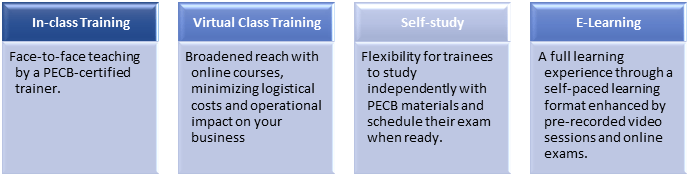
Courses and delivery methods are designed to meet different training needs of our clients:
Aptitude Media is an Authorised Partner of the Professional Evaluation and Certification Board (PECB), validated by the accreditation from the ANSI National Accreditation Board (ANAB-Accreditation ID 1003) under ANSI/ASTM E2659-18, Standard Practice for Certificate Programs for the International Standards Organisation (ISO).
Our PECB portfolio offers internationally accredited courses in a variety of fields of interest:
Information and Communication Technology (ICT) encompasses all technologies used to handle information and facilitate communication. It includes hardware, software, and the networks that enable the creation, storage, exchange, and management of information. ICT is crucial for doing efficient business, enabling almost all aspects of your operation.
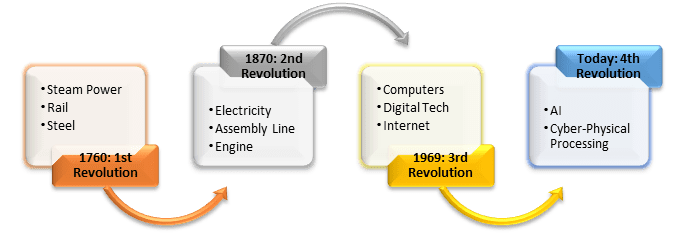
The “new industrial revolution, ” also known as the Fourth Industrial Revolution (4IR) or Industry 4.0, is characterized by the rapid advancement and convergence of technologies like AI, robotics, IoT, and biotechnology.
Four Stages of Industrial Revolution. Source: World Economic Forum, ACG
To ensure business resilience in this ever-evolving space, business owners must keep abreast of this fusion of the physical, digital, and biological spheres, which are transforming industries and the way we do business at an unprecedented, exponential pace with benefits and risks alike.
Information Security
Information Security Management System
ISO/IEC 27001 provides requirements for businesses seeking to establish, implement, maintain, and continually improve an information security management system. This framework serves as a guideline towards continually reviewing the safety of your information, which will exemplify reliability and add value to the services of your business. Request a Course Brochure and Fees
Information Security Controls
A PECB certification demonstrates the holder’s knowledge and ability to manage information security risks by applying relevant information security controls. It is also proof of their ability to help businesses preserve the confidentiality, integrity, and availability of information, protect against threats and vulnerabilities, and reduce information security risks. Certified ISO/IEC 27002 individuals can be crucial members of an ISMS implementation team. Request a Course Brochure and Fees
PECB Chief Information Security Officer
Lack of appropriate security controls can turn a small vulnerability into an enormous data leak, leading to major consequences within a business, such as revenue loss, damaged reputation, or loss of intellectual property. Develop the professional knowledge to plan and oversee the implementation of an information security program and, in turn, ensure that a business’s confidential information is protected from disclosure. Request a Course Brochure and Fees
EBIOS
EBIOS (Expression des Besoins et Identification des Objectifs de Sécurité) is a risk assessment tool developed by the French Central Information Systems Security Division to assess and treat risks within an information system. Although it can be applied to different fields, EBIOS is mainly used to manage information security risks, privacy risks, critical infrastructures, and the ergonomics of working tools. As a risk management approach, EBIOS helps to identify, analyze, assess, and treat risks in the continual improvement framework. Request a Course Brochure and Fees
Information Security Risk Management
ISO/IEC 27005:2022 provides a risk management framework for businesses to manage information security risks. Specifically, it provides guidelines on identifying, analyzing, evaluating, treating, and monitoring information security risks. The standard supports the guidelines of ISO 31000 and is particularly helpful for businesses aiming to safeguard their information assets and achieve information security objectives. Request a Course Brochure and Fees
Application Security
As applications increasingly handle sensitive data and critical operations, application security has become a top priority for businesses worldwide. ISO/IEC 27034 equips individuals and businesses with a structured, life cycle approach to embedding security in applications, from development to deployment and maintenance. The standard introduces the Application Security Life Cycle (ASLC) model, which helps businesses proactively address security risks at each stage, reducing vulnerabilities before they can be exploited. Request a Course Brochure and Fees
Information Security Risk Management
In an era where cybersecurity incidents are becoming increasingly sophisticated and pervasive, the need for robust incident management frameworks has never been more critical. The ISO/IEC 27035 series addresses this imperative by providing comprehensive guidelines for establishing, implementing, maintaining, and continually improving information security incident management within businesses. Request a Course Brochure and Fees
Privacy and Data Protection
Privacy Information Management System
The exponential growth of the collection of personal information and the increasing of data processing have led to privacy concerns. Hence, implementing a Privacy Information Management System (PIMS) in compliance with the requirements and guidance of the ISO/IEC 27701 will enable businesses to assess, treat, and reduce risks associated with the collection, maintenance, and processing of personal information. Request a Course Brochure and Fees
General Data Protection Regulation
Considering that data breaches have become highly sophisticated in recent years, the need for data protection has increased as well. Information Security is crucial to the success of any business since it deals with the protection of sensitive data from unauthorized access, use, replication, and destruction. As such, businesses should put in place measures and controls to manage and diminish Information Security risks and comply with GDPR requirements. Request a Course Brochure and Fees
Digital Transformation
Chief Digital Transformation Officer
A CDTO is an individual competent in using, implementing, and managing digital transformation technologies such as blockchain, artificial intelligence, big data, cloud computing, and the Internet of Things (IoT). The majority of industries have already started digital transformation, as it offers agility, flexibility, and easy growth. The fast adoption to digital transformation demands the role of a digital transformation officer. Request a Brochure and Fees
ITC Continuity, Resilience and Recovery
Disaster Recovery
Disaster Recovery includes policies and procedures aimed at protecting a business from human- or naturally triggered disruptions on the IT infrastructure. It plays a significant role in the prevention of data losses, financial consequences, loss of trustworthiness, and business reputation. A Disaster Recovery Plan includes the measures that a business should take to swiftly recover its IT systems. Request a Brochure and Fees
Digital Operational Resiliance Act
Digital operational resilience refers to the ability of a financial entity to build, assure, and review its operational integrity and reliability by ensuring, either directly or indirectly through the use of services provided by ICT third-party service providers, the full range of ICT-related capabilities needed to address the security of the network and information systems which a financial entity uses, and which support the continued provision of financial services and their quality, including throughout disruptions. Request a Brochure and Fees
Cybersecurity Management
Cybersecurity Management
The importance of cybersecurity lies in the vast amount of data stored on various devices belonging to public and private businesses across different industries. Data is essential for the proper functioning of our society; therefore, its security is imperative. A successful cyberattack can compromise the confidentiality, integrity, and availability of sensitive data, putting privacy at risk and potentially leading to identity theft, fraud, and many other cybercrimes. The consequences of such breaches include reputational damage, significant financial loss, and legal liabilities for both businesses and individuals; therefore, establishing a comprehensive cybersecurity management program is crucial. Request a Brochure and Fees
Cloud Security
Cloud security is a set of strategies and practices used to secure cloud environments, applications, and data. Cloud security ensures the preservation of confidentiality, integrity, availability, and privacy of information hosted in a private, public, community, or hybrid cloud deployment model. It provides multiple levels of security controls in the cloud infrastructure that ensure data protection and business continuity. Implementing the guidelines of ISO/IEC 27017 helps cloud service providers and customers to establish, implement, and maintain information security controls related to cloud services. Request a Brochure and Fees
Penetration Testing Professional
Penetration testing is an attempt to test the efficiency of security measures and discover any potential exploits or backdoors that may be present in computer systems; which hackers and cyber criminals can gain unauthorized access or conduct malicious activities. In addition, penetration testing is an advanced tool to detect, analyze and set protective constraints to the IT infrastructure, in order to reduce remediation of financial losses against malicious activities. Request a Brochure and Fees
SCADA
Supervisory Control and Data Acquisition is an industrial system framework that includes both hardware and software architecture to control, monitor and analyze an industrial process. SCADA is an application software that enables managers, engineers, and industry operators, to supervise and communicate effectively with the working environment. The aim of SCADA is to provide individuals with techniques to choose, plan and design technologies for improving the business processes and other utilities. Request a Brochure and Fees
Computer Forensics
The purpose of computer forensics is to provide forensic practices, legal processes, and ethical principles to assure reliable and detailed digital evidence that can be used for the courtroom needs. The objective of computer forensics is to guarantee a well-structured investigation and a follow-up of processes in order to resolve incidents and malfunctions in a business. Request a Brochure and Fees
Network Security
Network security ensures the operation of the networks by protecting the network infrastructure and preserving confidentiality, integrity, and availability. An effective network security protects business processes. The ISO/IEC 27033 series can help businesses plan, design, and implement network security by creating a secure environment and protecting virtual networks and physical devices, data, and proprietary information. Request a Brochure and Fees
Systems and Business Controls (SOC 2)
This framework assists businesses in managing risks, increasing confidence among customer and partners, differentiating themselves from competitors, and improving security measures for other compliance models. Essential for its role in verifying a business’s commitment to protecting the privacy of customer data, SOC 2 specifies stringent measures to counter internal and external threats. SOC 2 compliance is crucial as data breaches can result in significant financial losses and severely damage a business’s reputation and consumer trust. Request a Brochure and Fees
Cybersecurity Maturity Model Certification (CMMC)
CMMC is a new set of cybersecurity standards that encompasses various cybersecurity standards, references, and other best practices. It comprises a number of processes and practices which are mapped across five cumulative certification levels. Request a Brochure and Fees
NIS 2 Directive
This directive specifically targets critical infrastructure operators and essential service providers, mandating the implementation of robust cybersecurity measures and the prompt reporting of incidents to relevant authorities. It offers a comprehensive framework for businesses operating in sectors such as energy, transport, banking, healthcare, and digital services to fortify their cybersecurity defenses, mitigate risks, and protect sensitive data. Request a Brochure and Fees
The NIST Cybersecurity Framework
The NIST Cybersecurity Framework offers a structured approach to risk management, guiding you to effectively assess, protect, detect, respond to, and recover from cyberattacks. Mastery of this framework provides a competitive advantage, allowing you to confidently navigate the complex cybersecurity landscape and contribute to building more resilient and secure digital environments for any business. Request a Brochure and Fees
Technical Cybersecurity
Ethical Hacking
Ethical Hacking refers to the act of penetrating computer systems, networks or applications with the intention to exploit vulnerabilities that may lead to potential threats and risks. The main aim of Ethical Hacking is the improvement of the overall security of businesses by fixing the gaps and vulnerabilities found during penetration tests. Ethical hackers are allowed to use the same hacking techniques as malicious hackers with the permission of the business which is to be tested. Request a Brochure and Fees
Certified Cyber Threat Analyst (CCTA)
A threat analyst is a cybersecurity professional specializing in the detection, analysis, and mitigation of cyber threats. This role is critical in safeguarding a business’s digital infrastructure and sensitive information. Key activities of a threat analyst include threat analysis and threat hunting to helps businesses stay ahead of cyber threats, ensuring a robust defense against potential cyberattacks. Request a Brochure and Fees
Cybersecurity Incident Responder
An incident responder is a cybersecurity professional specializing in the detection, analysis, and mitigation of security incidents. This role is critical in safeguarding a business’s digital infrastructure and sensitive information. Key activities of an incident responder include strategic incident handling and forensic analysis to swiftly respond to and recover from security breaches, ensuring minimal disruption and reinforcing the overall cybersecurity strategy. Request a Brochure and Fees
Artificial Intelligence
Artificial Intelligence Management System
PECB ISO/IEC 42001 training courses equip individuals with the competencies needed to plan, develop, implement, maintain, and improve an AI management system within businesses. An effective AIMS enables businesses to utilize the full potential of AI in an era where technological adaptation is synonymous with progress and success. Additionally, it helps businesses maintain a competitive edge in the constantly changing tech and business environment. Request a Brochure and Fees
Certified Artificial Intelligence (AI) Professional
An Artificial Intelligence (AI) Professional is a specialist equipped with the knowledge and skills to design, implement, and manage AI systems that drive innovation and efficiency across various industries. AI professionals combine technical expertise in areas like machine learning, deep learning, natural language processing, and computer vision with strategic insights to ensure the ethical and responsible deployment of AI solutions. Request a Brochure and Fees
AI Risk Management
AI risk management is the systematic process of identifying, assessing, mitigating, and monitoring risks related to artificial intelligence (AI) technologies. The goal is to reduce potential negative consequences while maximizing AI’s benefits, ensuring that AI systems remain secure, ethical, and aligned with regulatory standards and legislation. As AI technologies increasingly process sensitive data and critical business operations, ensuring AI compliance has become a global priority. Request a Brochure and Fees
Governance, Risk and Compliance
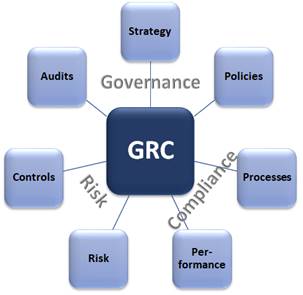
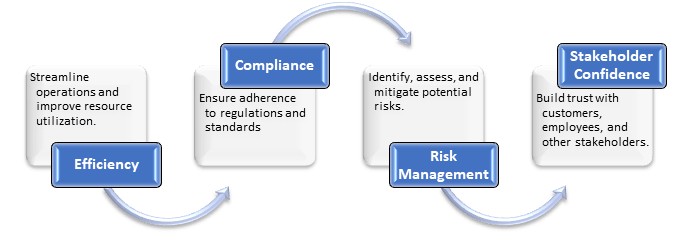
Governance, Risk, and Compliance (GRC) is a strategic approach that helps organizations manage the interconnectedness of their governance, risk management, and compliance activities. It provides a framework for organizations to achieve their objectives, address uncertainty, and act with integrity by aligning their business operations with ethical principles, risk mitigation strategies, and regulatory requirements.
Benefits of a GRC approach:
Anti-Bribery Management System [ABMS]
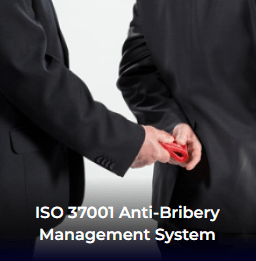
Beyond its damaging economic effects, bribery significantly harms society by undermining trust, promoting unfairness, exacerbating inequality, and diminishing motivation. In response to these challenges, the International Business for Standardization (ISO) has contributed to the global fight against bribery by developing ISO 37001—an international standard that outlines the requirements for implementing an anti-bribery management system [ABMS]. Request a Brochure and Fees
Compliance Management System [CMS]
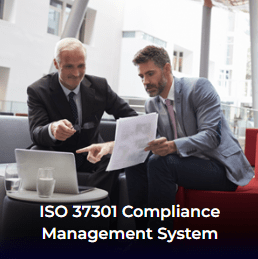
Businesses with a CMS based on ISO 37301 commit to sound norms of corporate governance, good practices, and ethical conduct. However, the CMS cannot completely eliminate the risk of noncompliance. In this regard, ISO 37301’s requirements and guidance improve the business’s ability to identify and respond to noncompliance. The existence of a CMS can be an indicator of the business’s due diligence and commitment to compliance which may be useful in limiting legal liability and lowering penalties for contraventions of relevant laws. Request a Brochure and Fees
IT Governance
By fulfilling ISO/IEC 38500 requirements, businesses are able to monitor IT usage, ensure business continuity and sustainability, align IT with business needs and ensure appropriate implementation and operation of IT assets. Request a Brochure and Fees
Operational Risk Management in Financial Institutions
The ORM in Financial Institutions training courses provide the knowledge and skills that professionals need to enter, manage, and lead the operational risk discipline in financial services. These include learning how to establish an operational risk management framework and how to utilize the methods and tools to identify, assess, mitigate, and monitor operational risk. Request a Brochure and Fees
Management Systems Internal Auditor
Management systems internal audits are crucial to ensure the effectiveness and conformity of your business’s management system against the relevant standard. They provide a comprehensive review, identifying areas for improvement and ensuring that your processes are efficient and effective. This leads to enhanced operational performance, better risk management, and a stronger foundation for continuous improvement, making your business more resilient, competitive, and aligned with best practices. Request a Brochure and Fees
Corporate Governance
In today’s complex business environment, effective corporate governance is crucial for building trust, ensuring accountability, and driving sustainable growth. Corporate governance is essential for ensuring that a company operates ethically, responsibly, and in alignment with the interests of its stakeholders, including shareholders, employees, customers, and the wider community. Request a Brochure and Fees
Risk and Business Continuity Management
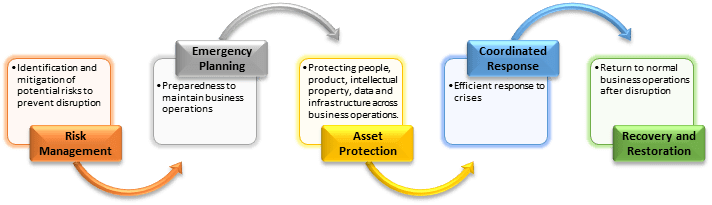
Businesses face multiple potential threats and vulnerabilities that could disrupt critical functions and operations, leading to significant business interruptions. Potential risks have to be continuously assessed and treated by developing mitigation and establishing operational resilience to ensure the business can continue essential operations during and after a crisis.
By ensuring integrated and cohesive business continuity strategies, you can ensure your business is prepared for and can effectively adapt to adverse and unforeseen events, ensuring business resilience and sustainability.
Risk Management
Businesses performing in any industry in any place are constantly exposed to risks. Managing these risks based on the principles, framework, and process outlined in ISO 31000 provides a level of assurance that allows businesses to succeed and thrive in an environment of constant change. The implementation of ISO 31000 guidelines can improve operational efficiency by facilitating the integration of risk-based decision-making into governance, planning, management, reporting, policies, values, and culture of a business. Request a Brochure and Fees
Business Continuity Management
In today’s dynamic and uncertain business environment, the role of a resilient business continuity management system is critical. Conformity to ISO 22301 is an essential milestone for businesses across different industries, enabling them to improve their ability to handle disruptions, reduce risks, and protect critical operations. Adhering to the ISO 22301 standard strengthens a business’s incident response, ultimately boosting its overall operational resilience.Request a Brochure and Fees
Operational Resilience Management
Operational resilience is the business’s ability to anticipate, prepare for, respond to, and recover from unexpected disruptions while maintaining core services. Maintaining and improving resilience involves proactively building the capacity to absorb incidents and adapt to changes. Operational resilience covers initiatives that enhance business continuity management by focusing on the impacts, risk appetite, and tolerance levels for product or service delivery disruptions. Request a Brochure and Fees
Crisis Management
A crisis is an abnormal event that threatens the continuity of a business’s operations and may even lead to its collapse. These events may have natural causes or may be man-made, e.g., natural disasters, environmental issues, terrorism, cybersecurity breaches, and employee misconduct. A crisis can occur abruptly or may emerge from small incidents that have not been addressed or have been managed inappropriately. Request a Brochure and Fees
Management Systems
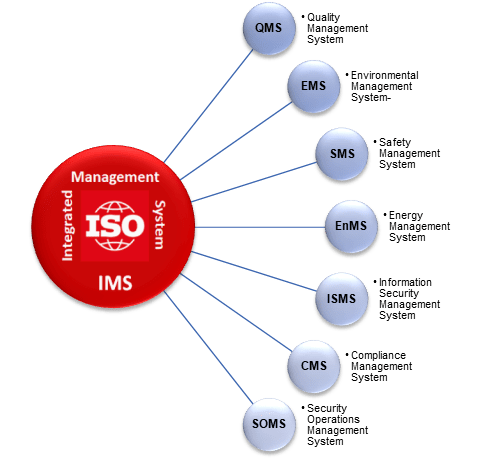
A management system is a structured approach a business uses to manage its operations, resources, and activities to achieve its objectives. It provides you with a framework that helps you plan, implement, monitor, and improve your business processes to ensure smooth processes and achieve planned results.
In essence, a management system is more than just a set of rules; it is a comprehensive approach to managing an organization for optimal performance and sustainability and designed for ongoing improvement through a cycle of planning, doing, checking, and acting (PDCA).
There are various types of management systems, such as quality management systems (QMS), environmental management systems (EMS), and occupational health and safety management systems (OHSMS).
Quality Management
Quality Management System
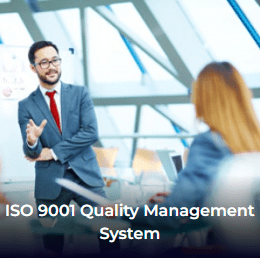
A QMS based on ISO 9001 enables businesses to ensure success in the long term. Businesses that implement and establish a QMS based on ISO 9001 will maintain the focus on their customers by continuously identifying their needs and requirements, obtaining feedback from them, and continually improving their products and services to fulfill their needs. Request a Brochure and Fees
Medical Devices Quality Management System
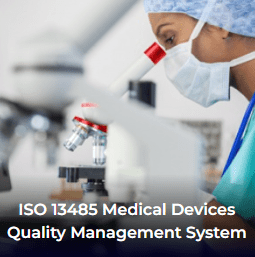
As an international standard, ISO 13485 determines the requirements for the medical devices industry. This standard was established to be used by companies during the life cycle of medical devices, from the production to post-production, including decommission and disposal. ISO 13485 serves as a tool for businesses to develop and retain their processes efficiently. Request a Brochure and Fees
IT Service Management System
An SMS consists of policies, processes, resources, objectives, and documented information that are put together and are coordinated to achieve the objectives of the business. An effective SMS enables businesses to direct and control their service management activities, identify and mitigate risks related to their activities, and identify and realize opportunities that improve service provision. Request a Brochure and Fees
Six Sigma
Six Sigma is a management strategy which uses data and statistical measurement tools to optimize business processes. It applies instruments and techniques with the aim of eliminating defects and decreasing the process variation by equipping individuals with the necessary expertise to comprehend and practice the Six Sigma methodologies, which concentrate on improving products, services and processes that substantially contribute to the bottom-line profitability of the businesses they work for. Request a Brochure and Fees
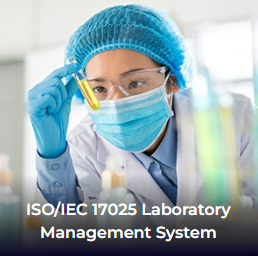
Laboratory Management System
The term IEC stands for International Electrotechnical Commission which in cooperation with ISO creates the specific system for global standardization. ISO/IEC 17025 is an international standard for testing and calibration laboratories. It was established with the aim of offering quality and improving the processes within laboratories. Request a Brochure and Fees
Health and Safety Management
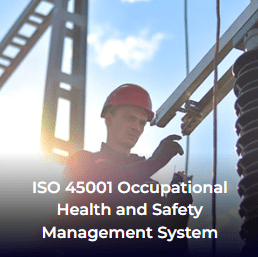
Occupational Health and Safety Management System
By establishing an effective OH&S MS based on this standard, businesses provide safer and healthier work environments. ISO 45001 is applicable to businesses of all sizes and industries that seek to prevent work-related injuries, diseases, and deaths and promotes the establishment of safe working environments and the continual improvement of occupational health and safety performance. Request a Brochure and Fees
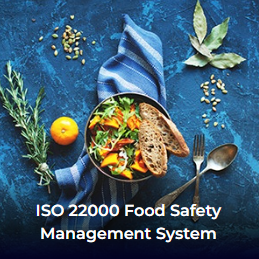
Food Safety Management System
An FSMS based on ISO 22000 gives food producers a structured approach and necessary mechanisms to manage the safety of their products and services. As part of the FSMS, ISO 22000 requires the establishment of effective communication with interested parties, implementing a risk-based approach, establishing and maintaining prerequisite programs, hazard control plans (OPRPs and CCPs), monitoring the performance of FSMS and food safety, and seeking and realizing continual improvement opportunities. Request a Brochure and Fees
Environmental and Sustainability Management
Environmental Management System
Environmental management is essential for businesses aiming to contribute to sustainability and minimize their negative impact on the environment. It involves implementing strategies, processes, and controls to identify, assess, and manage environmental risks and opportunities. By proactively addressing issues such as pollution, resource consumption, waste, and energy consumption, businesses can contribute to the preservation of natural resources and help the planet. Request a Brochure and Fees
Energy Management
Energy is crucial to the business’s operations and can result in major costs regardless of its activities. Energy Management provides guidance on the usage of energy throughout the business’s supply chain, from raw materials to recycling. Apart from costs, energy usage contributes to climate change as well. ISO 50001 requires businesses to establish new policies for an efficient use of energy. Request a Brochure and Fees
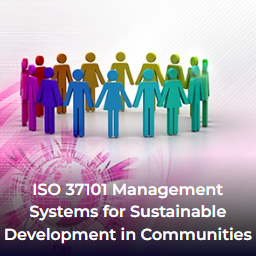
Sustainable Development in Communities
ISO 37101 is an international standard which specifies the requirements of and provides guidance on the establishment of a management system for sustainable development in communities. The standard aims to help communities establish a framework that allows them to improve their standing in their social, economic and environmental aspects. The standard addresses specific sustainability issues such as governance, education, innovation, health care, interdependence, safety, inclusivity, etc. Request a Brochure and Fees
Social Responsibility
In our modern world where consumers increasingly search for purpose-driven businesses, social responsibility serves as a compass to direct businesses toward a better and more ethical future. While not obligatory, social responsibility determines a business’s reputation and affects consumer loyalty and brand value. As such, it is important for businesses to adopt social responsibilities practices, as it benefits not only the business, but its stakeholders and the community as well. Request a Brochure and Fees
Sustainable Procurement
The standard’s main guidelines include key sustainability considerations, integrating sustainability into the business’s procurement policy and strategy, managing risks and opportunities, planning and integrating sustainability into the procurement processes, and measuring and improving the sustainable procurement performance. ISO 20400, you can help businesses align their procurement processes in a way that positively contributes to worker rights, legal environmental obligations, and economic equity within and throughout your supply chain. Request a Brochure and Fees
Security Management
Security Operations Management
ISO 18788 specifies the requirements and provides guidance for businesses that conduct or contract security operations. It provides a framework for establishing, implementing, operating, monitoring, reviewing, maintaining and improving a Security Operations Management System. It enables the constant development of security services, while ensuring customer safety and respect for human rights. This standard demonstrates compliance with laws and regulations, respect for human rights, and the establishment of professional security operations to better meet the customer’s and stakeholder’s needs. Request a Brochure and Fees
Supply Chain Security Management
Businesses are continuously facing security risks that seriously threaten their operations. High-value products are prone to theft, confidential information is prone to hacking, and personnel are prone to injury. ISO 28000 provides businesses with a comprehensive and proactive approach to security management and enables businesses to identify their valuable assets, including property, personnel, products, data, and infrastructure, and implement appropriate security processes and controls to safeguard them. Request a Brochure and Fees
Project Management
Project Management
ISO 21502:2020 provides guidance that can help project managers and project-based businesses deliver projects successfully to help businesses optimize the use of their resources and while maximizing value creation; thus, achieving their intended outcomes. It also promotes employee collaboration and enhances communication among personnel, suppliers, and customers relevant to the project, which results in stakeholder engagement and customer satisfaction. Request a Brochure and Fees
Asset Management
Asset Management
As a management system standard, ISO 55001 helps businesses effectively align asset management activities with their strategic goals, manage risks and opportunities throughout the asset life cycle, and create sustainable value for stakeholders through best practices. By systematically managing the life cycle of assets, businesses can anticipate and mitigate risks, optimize asset performance, and achieve long-term value. Request a Brochure and Fees
Educational Institution Management
Educational Institution Management System
Education is a fundamental need for everyone in the society; therefore, everyone should be concerned with the quality of education delivered by education providers. However, even though the outcomes cannot be guaranteed, educational institutions can play a crucial role in ensuring that learners receive the expected quality of education. The ISO 21001 certification will enable you to provide educational services in a more effective and efficient manner, and to offer a more personalized experience to all learners, particularly to those with special education needs and distance learners. Request Brochure and Fees












 Aptitude Media